Virgin Active blog
Hot and Cold Therapy
Key Takeaways:
Hot and cold therapy (aka ‘contrast therapy’) can improve DOMS quickly and heal muscle soreness
Regular contrast therapy can reduce your risk of neurodegenerative disease, like Alzheimer’s
Athletes who do contrast therapy can have better cardiovascular health and reduced injury time
Hot and cold therapy is having its moment. It seems like if everyone isn’t in the sauna, they’re in the cold plunge pool. And there’s a reason for it. From muscle recovery to healing injury and reducing your stress levels, hot and cold therapy is the ultimate athlete recovery hack. So, forget those cold feet and dive in.
What is hot and cold therapy?
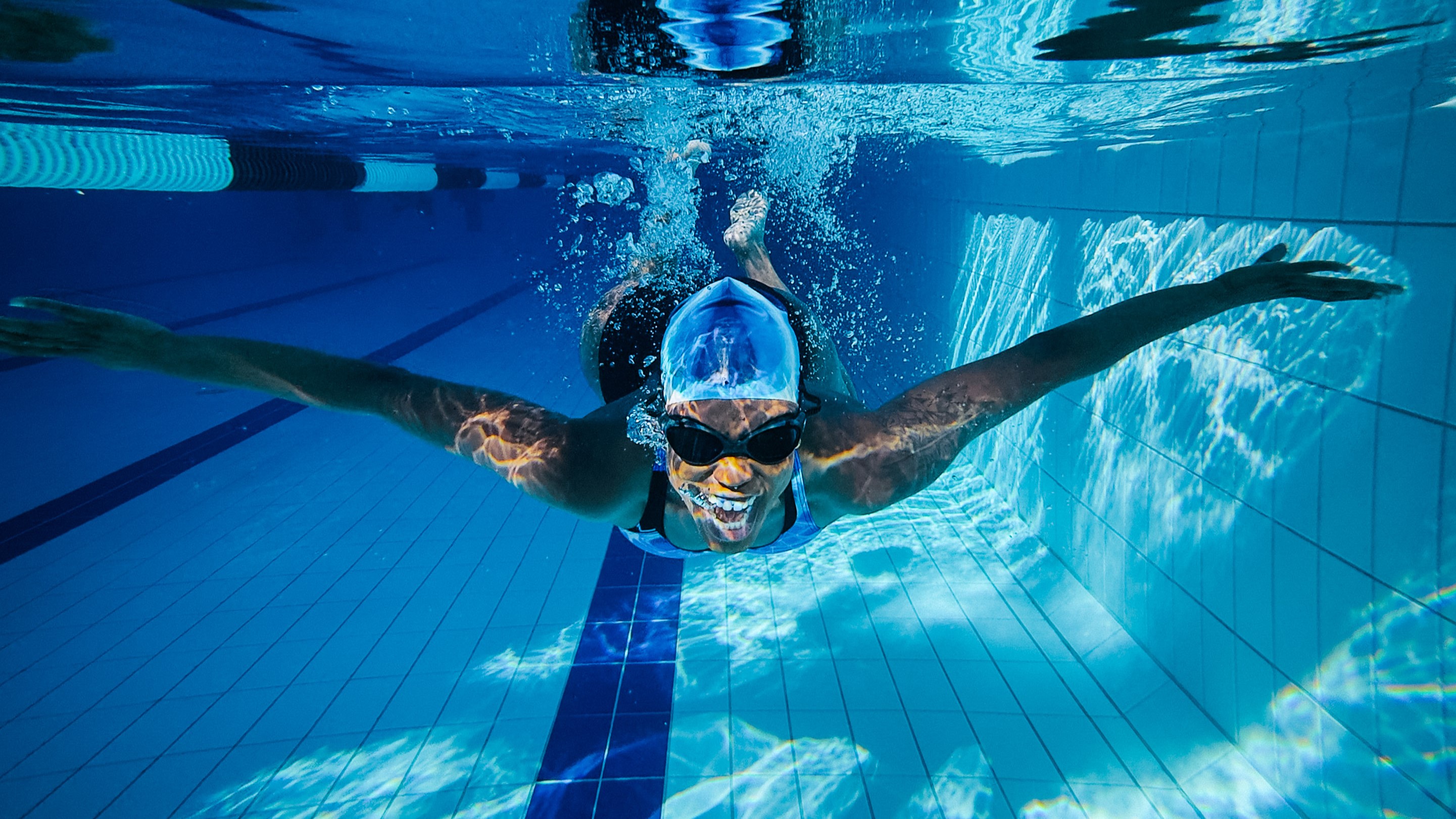
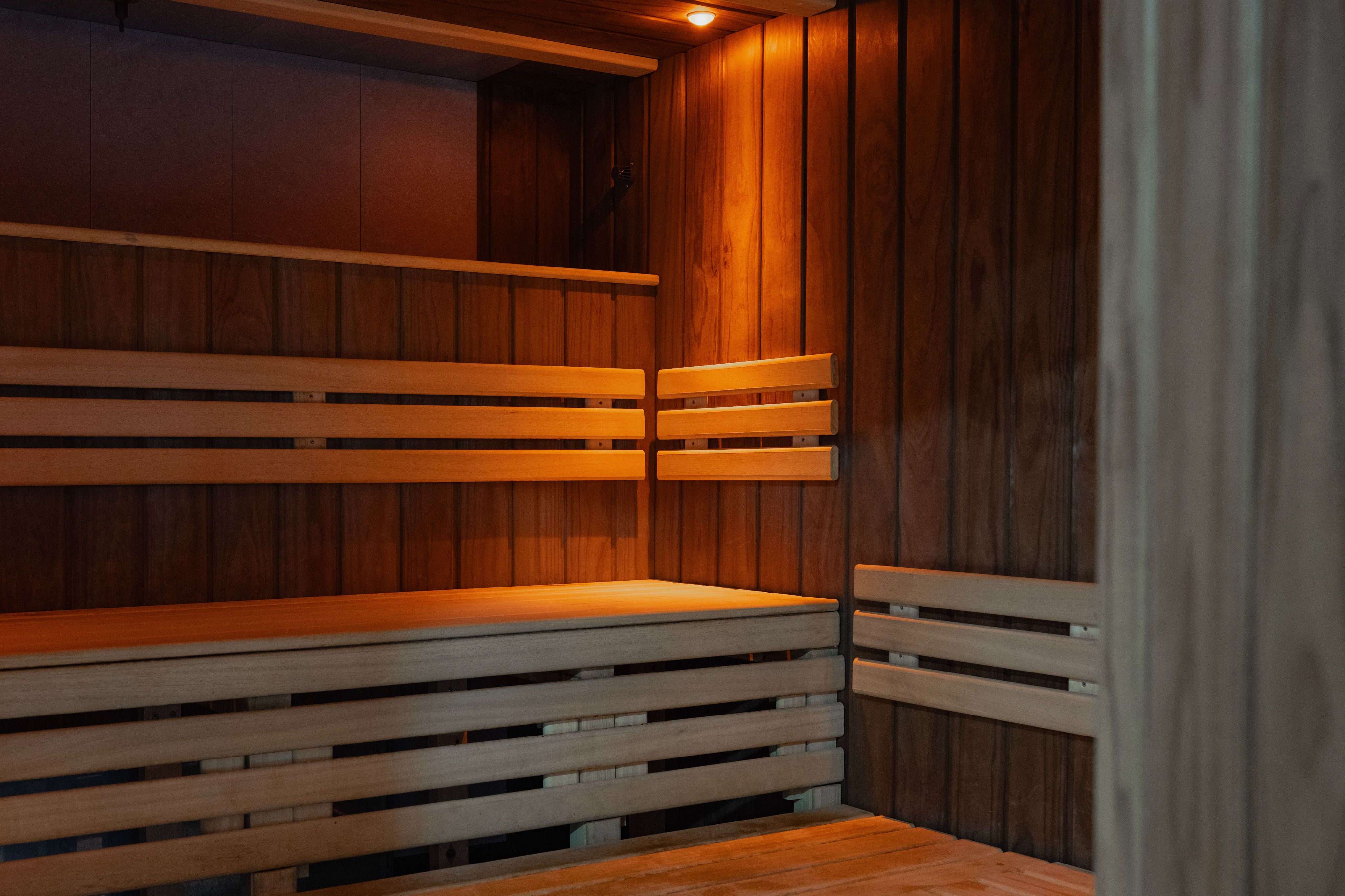
Hot and cold therapy is also called ‘contrast therapy’ and it’s all about alternating your body’s temperature from hot to cold. There are lots of ways you can try it but an easy way to do it at your local Virgin Active is moving between the sauna and a cold plunge pool or cold shower.
The aim is to get you sweating in the heat therapy and then reduce your body temperature in the cold water therapy. Simple, right? But here’s what’s actually happening…
As your body heats up, your blood vessels open. This allows the blood to be closer to the surface of your skin to help cool you down. When you’re cold, your blood vessels shrink. Alternating between hot and cold temperatures means that your blood vessels are opening and closing repeatedly. It makes a ‘pumping’ motion, also known as ‘vascular exercise’ which helps to improve your circulation and move blood through the body.
Why is contrast therapy the ultimate hack for athletes?
If you work out, you’ll get a lot of benefits from vascular exercise. But the number one benefit for athletes is probably around DOMS.
Contrast therapy improves muscle soreness
Delayed Onset Muscle Soreness (DOMS) is common for many people who work out regularly and particularly those who do strength training. It’s caused by a build up of lactic acid in the muscles and the good news is that contrast therapy helps to shift it. The opening and closing of your blood vessels allows your body to flush out waste products and toxins from your exercise, helping your muscles feel more recovered.
Doing this regularly, many athletes report feeling less sore and more prepped for their next workout. This reduces stiffness in your body and improves mobility.
Contrast therapy helps to heal injuries
In the same way that hot and cold therapy can help to speed up DOMS recovery, contrast therapy can also help those healing from injury. Heat therapy expands your blood vessels, increasing blood circulation, which helps your body to deliver vital nutrients through your body, including where you’re injured. Cold therapy reduces the size of your blood vessels which reduces swelling and inflammation to the site of your injury.
Used together, hot and cold therapy will allow your body to receive lots of nutrients that speed up healing without causing excess inflammation or pain.
Contrast therapy improves your cardiovascular health
Reduced blood pressure, improved blood vessel elasticity and overall heart health support are just some of the benefits of contrast therapy on your cardiovascular health. Studies have even shown that regularly alternating between hot and cold temperatures can have longer lasting effects on your heart, like reducing your risk of cardiovascular disease.
What are the mental health benefits of contrast therapy?
Starting contrast therapy can be uncomfortable, especially if you’re not used to freezing temperatures. Moving from the sauna to the cold plunge does take a lot of mental resilience and training your brain to stay calm - both skills which will benefit you in your workouts, sport and beyond.
Contrast therapy has also been shown to support long-term brain health. Cold water therapy and heat therapy sessions improve your circulation and release protective proteins, both of which improve your brain health and can eventually lead to a reduced risk of neurodegenerative diseases like Alzheimer’s.
How to do hot and cold therapy for muscle recovery
There are plenty of ways to do contrast therapy for muscle recovery, from using baths to outdoor ice plunges. At Virgin Active, the easiest way is to use our saunas for the heat therapy section and cool off in a cold shower or in our new plunge pools.
You can do contrast therapy as a standalone activity or add it to the end of your workout routine. It’s simple to do:
Start with your heat therapy. Head into the sauna for between 5 and 15 minutes, depending how comfortable you feel.
Cool off in a cold shower or take a dip in the plunge pool.
Head back to the sauna and repeat.
Our top tips for the best results from your hot and cold therapy are to start with a heat session and finish with a cold session, build up your tolerance slowly over a number of sessions and make your heat sessions longer than your cold water therapy sessions.
Ready to take the plunge? Head to your nearest Virgin Active to give it a try.
FAQs
What is contrast therapy?
Contrast therapy is also known as hot and cold therapy. It’s about alternating your body temperature from hot to cold and can usually be done with a sauna and a cold plunge pool.
What are the benefits of hot and cold therapy?
Hot and cold therapy has a lot of benefits for muscle recovery for athletes, helping to speed up injury healing, improving your cardiovascular health and helping reduce your risk of neurodegenerative diseases.
Is hot and cold therapy good for muscle recovery?
Yes! Hot and cold therapy improves your blood circulation to help your body flush out waste products from exercise, like lactic acid which causes DOMS.
Is contrast therapy as good as just doing cold water therapy?
Cold water therapy has its own benefits but some research suggests that contrast therapy is better for reducing fatigue than cold water therapy alone.